
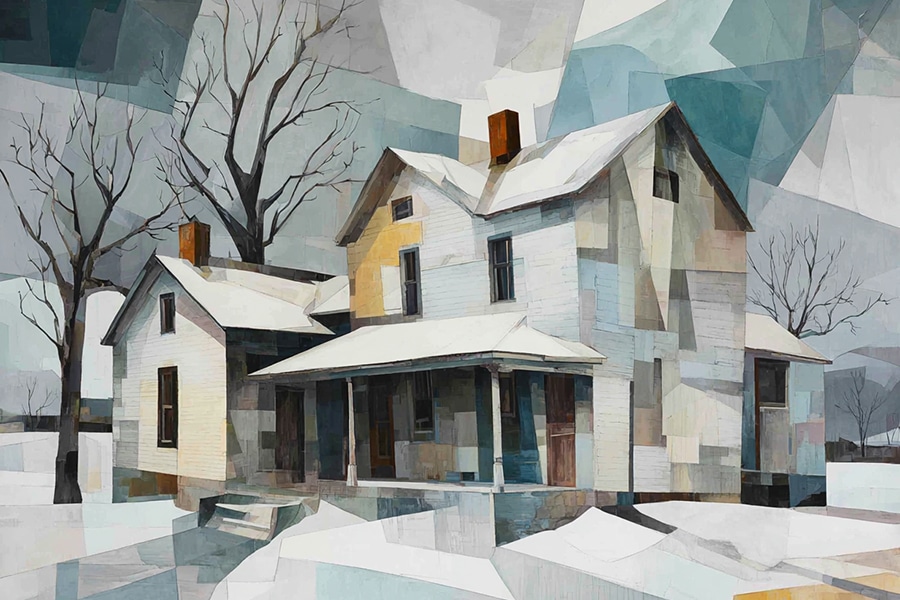

Board and Batten Siding: Farmhouse Style for Tennesseans
Board-and-batten siding carried a special charm for Tennesseans who wanted a substantial, weather-resistant farmhouse look without sacrificing character. This style paired wide vertical boards with narrow battens that covered each seam, creating the tall, rhythmic lines you see on barns, country homes, and modern farmhouses across the Volunteer State. Homeowners loved it because the design looked both traditional and fresh, fitting right in among Tennessee’s rolling hills, wooded acreage, and winding country roads. Whether the home was a brand-new build or a remodel, board-and-batten siding helped Tennessee houses feel rooted in a classic Appalachian aesthetic.
People appreciated this siding because it handled Tennessee’s weather shifts. Cold snaps in the mountains, humid stretches in the valleys, and storm seasons across Middle Tennessee created harsh conditions for any exterior material. Board-and-batten performed well across all those zones when installed correctly. It shed water, held paint beautifully, and allowed the boards to move with seasonal moisture changes. This is why both cabin builders and farmhouse renovators kept turning back to it.
What Made Board and Batten So Popular in Tennessee?
Farmhouse architecture had deep roots in rural Tennessee, dating back to the 1800s when families built simple, vertical-plank homes with hand-cut lumber. Board and batten essentially took that same idea and elevated it with cleaner edges, better milling, and longer-lasting materials. Tennesseans gravitated toward it because it blended the old barn look with updated curb appeal that worked for everything from cabins on Douglas Lake to country homes outside Cookeville.
The texture of board-and-batten siding also helped break up tall walls. On many Tennessee cabins and farmhouse-style builds, large porch roofs and tall gables needed something more than flat paneling. The vertical lines created a sense of height while grounding the home. Combined with metal roofs or timber accents, board-and-batten helped define that soft, country-warm aesthetic you see throughout Sevier, Blount, and Monroe counties.
People also enjoyed the design freedom. Board widths ranged from 8 to 12 inches, while battens were usually 2 to 4 inches wide. This allowed homeowners to tailor the siding to the home’s scale. A big cabin on a ridge looked great with wide boards and chunky battens, while a smaller house near Knoxville suburbs looked crisp with narrower spacing.
Material Options for Tennessee Homes
There wasn’t just one way to build board-and-batten. Tennesseans could choose from several materials, each offering its own strengths.
1. Real Wood
Wood remained the classic option, especially species like cedar or pine. Homeowners loved the natural grain and the way wood aged over time, developing a soft, weathered patina. With the right stain and maintenance, wood served Tennessee homes well for decades. People who preferred a rustic feel usually went with this option.
2. Engineered Wood
Products like LP® SmartSide® became popular because they handled moisture better than standard pine. They resisted termites, which mattered in areas like East Tennessee where wood-boring insects thrived. They also offered easy painting and quick installation.
3. Fiber Cement
James Hardie® board-and-batten products were durable and held paint longer than natural wood. They handled humidity well, resisted rot, and stayed dimensionally stable in Tennessee’s changing temperatures. Homeowners who didn’t want annual maintenance favored this option.
4. Vinyl Board and Batten
Vinyl versions gave homeowners the look without the upkeep of traditional wood. They were also budget-friendly. Some higher-end vinyl products had embossed textures that mimicked real wood surprisingly well.
How Board and Batten Worked with Tennessee Cabin Styles
One of the best parts about this siding style was its versatility. Tennessee cabins used board and batten for:
-
Entire exterior walls
-
Gable accents
-
Dormers
-
Porch walls
-
Mixed-material designs
It paired well with log siding, stone bases, and timber-frame porches. Many Tennessee builders used board-and-batten on upper levels and log siding below, giving the home a balanced, layered visual appeal. This combination especially stood out on sloped lots because the texture variation helped break up the vertical height.
Board-and-batten also helped modernize older cabins. A homeowner could replace aging horizontal siding with board-and-batten siding and instantly give the house a cleaner, more contemporary look. For investors restoring rental cabins in places like Gatlinburg or Pigeon Forge, this made the property feel fresh and attractive to visitors without changing the entire structure.
Installation Considerations for the Tennessee Climate
Tennessee’s mix of humidity, heavy rain, and winter temperature swings meant board-and-batten required precise installation. A few key decisions made a big difference:
Proper Flashing
Each batten acted like a water shield over the seam. But behind that, flashing and housewrap were essential. Correct layering helped prevent moisture from sneaking behind the boards.
Ventilation
For wood systems, allowing the boards to breathe helped prevent cupping and warping. Many builders created a small air gap behind the siding to help airflow.
Quality Fasteners
Using corrosion-resistant nails or screws mattered, especially in humid regions. Galvanized or stainless fasteners prevented streaking and discoloration.
Seasonal Spacing
Wood expanded and contracted with Tennessee’s climate. Installers accounted for that movement so the boards wouldn’t buckle during humid stretches.
The Aesthetic Appeal: Farmhouse Warmth with Cabin Character
Board-and-batten siding delivered that welcoming, down-home feel that Tennesseans connected with. People liked how it framed a front porch, complemented a rocking chair setup, and worked with natural landscapes. It blended easily with dark green trim, deep brown stains, or crisp white paint, depending on the home’s style.
For farmhouse-style homes, white board-and-batten siding with black or bronze accents creates that clean, photogenic look popular on social media feeds. For log cabins and rustic homes, stained board-and-batten helped accent natural wood tones and added a handcrafted touch.
Batten spacing also acted like a subtle decoration. It added rhythm, shadow, and depth — little details that made a home feel crafted rather than stamped out.
Maintenance Needs for Tennessee Homeowners
The level of upkeep depended on the material. Wood needed to be sealed and periodically repainted or stained. Fiber cement and engineered wood held paint longer. Vinyl needed occasional soap-and-water cleaning but rarely anything major.
Homeowners in forested or shaded areas watched for mildew, especially after periods of heavy rain. A quick wash with mild cleaner handled that efficiently. Gutters and overhangs also helped protect the siding from water exposure.
Why This Siding Fit So Well in Tennessee
Board and batten performed well in Tennessee because it wasn’t just a design choice — it fit the land, the climate, and the architecture. From the Smokies to the Cumberland Plateau, you saw this siding on barns, cabins, and homes that represented local heritage. It brought together the old and the new, allowing families to build houses with character while embracing modern construction quality.
People wanted something that felt lived-in, warm, and connected to Appalachian culture. Board-and-batten siding delivered that feeling every time.
Small Tennessee Trivia (because why not)
The oldest known “vertical plank” homes in Tennessee date back to the early 1800s. Early settlers used whatever timber they could mill by hand, which made this style both practical and durable — talk about a look that has stayed put for over 200 years.
Board-and-batten siding offered Tennesseans a farmhouse style that blended heritage and modern design. With flexible material choices, strong durability, and timeless appeal, it stayed a favorite for cabins, farmhouses, and rural Tennessee homes. When installed correctly, it handled weather challenges, boosted curb appeal, and created that inviting look homeowners across the state loved.
