
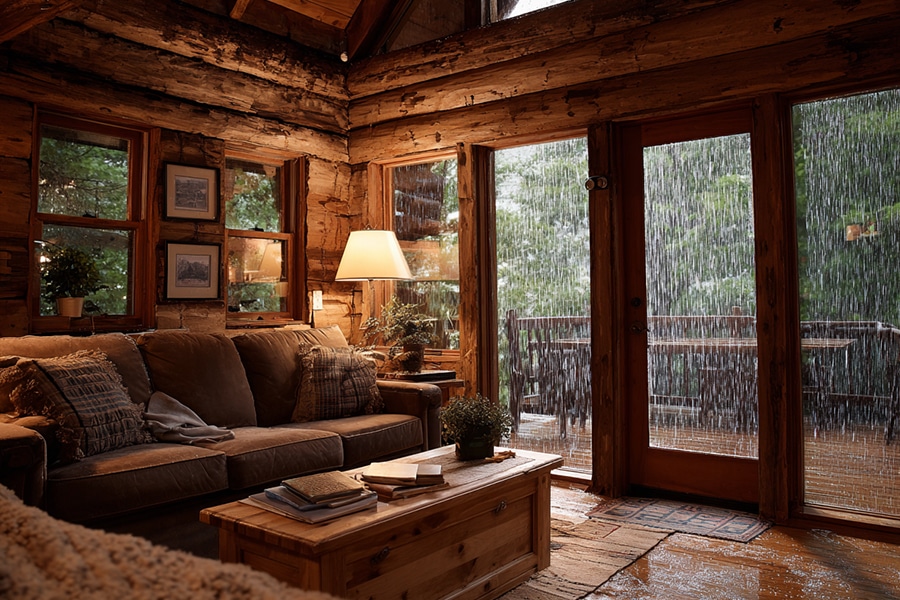
Weatherproofing Your Tennessee Log Home: Rain, Humidity & Insect Protection
Living in Tennessee means enjoying the beauty of all four seasons — but it also means preparing your log home for a variety of weather extremes. From humid summers to sudden downpours, the unique charm of a log home requires equally unique protection. If you’re building, renovating, or just trying to maintain your dream cabin, weatherproofing is your first line of defense against costly damage, creeping moisture, and uninvited wood-loving critters.
This guide explores practical and proven weatherproofing strategies for Tennessee log homes. Whether you’re in the Smoky Mountains or the rolling hills of middle Tennessee, you’ll find helpful tips to protect your investment and preserve that rustic beauty for years to come.
Why Weatherproofing Matters More in Tennessee
Tennessee’s climate brings more than just postcard-worthy scenery:
-
Annual rainfall averages 50+ inches across much of the state — that’s more than Seattle.
-
High humidity levels can speed up wood decay and mold growth.
-
Insect pests, like carpenter bees and termites, thrive in this moisture-rich environment.
Unlike drywall and brick homes, log structures are more porous and organic by nature. That means they expand, contract, and absorb environmental stress differently — requiring a strategic, multi-layered defense system.
1. Seal It Right — Start With the Logs Themselves
The first and most crucial step in weatherproofing is ensuring your logs are properly sealed and finished. Left untreated, logs can absorb moisture like a sponge, leading to mold, mildew, and even structural degradation.
What to use:
-
High-quality log stain with UV protection – look for breathable formulas that repel moisture while allowing logs to “breathe.”
-
Log home chinking or caulking – flexible sealants fill the gaps between logs and accommodate wood movement due to temperature changes.
-
Borate-based wood treatments – these are excellent for preventing fungal rot and deterring insects.
💡 Pro Tip: Re-stain every 3–5 years. Don’t wait until fading or flaking appears — by then, damage may already be in progress.
2. Deflect Water From the Top Down
Water always finds the path of least resistance; therefore, your roof and drainage systems are crucial. In Tennessee’s storm-prone seasons, this is especially true.
Roofing checklist:
-
Wide overhangs or eaves – protect log walls from direct rainfall.
-
Metal roofing – ideal for log homes; it sheds water quickly and lasts longer than asphalt shingles.
-
Gutter systems with downspouts – redirect water well away from the foundation.
Be sure your landscaping and grading slope away from the house — standing water near the base can soak into the bottom logs and lead to rot.
3. Humidity Control Starts Inside
Tennessee summers bring heavy, muggy air that can seep into your log home and linger, creating ideal conditions for mold and mildew.
Combat interior humidity:
-
Use a whole-house dehumidifier, especially in basements or crawlspaces.
-
Install proper kitchen and bathroom ventilation to push moist air out quickly.
-
Seal around windows and doors to prevent warm, wet air from sneaking in.
🌡️ Keep interior humidity between 35% and 50% year-round to preserve wood integrity and discourage mold.
4. Fight Back Against Insects
Wood-boring insects are a real concern in Tennessee, particularly in wooded or rural areas. Preventing infestations is far easier (and cheaper) than treating them.
Bug defense plan:
-
Borate treatments (again!) – safe for humans and pets, but lethal to termites and beetles.
-
Seal all cracks, crevices, and checks in logs. Insects love tight hiding spaces.
-
Trim back vegetation – trees and bushes touching the home provide a bridge for pests.
-
Install mesh screens over vents, soffits, and gables.
🐝 Watch for carpenter bees drilling perfectly round holes into wood — they’re especially active in spring.
5. Choose the Right Siding or Exterior Accents
Even in a full-log home, accents like porches, dormers, and gable ends can benefit from added protection through log siding or composite materials. These materials can be easier to treat and weatherproof — particularly in spots more exposed to the elements.
Depending on your style and budget, consider:
-
Log-look siding with integrated moisture barriers
-
Board and batten accents treated with insect-repelling stains
-
Stone veneer foundations to guard against splashback rot
6. Foundation & Crawlspace Protection
If water or humidity enters from below, it can destroy your logs from the ground up. Tennessee’s clay-heavy soil can hold water like a sponge, so your foundation needs equal attention.
Must-haves:
-
Proper grading around the foundation
-
Vapor barrier in the crawlspace
-
Encapsulation system for year-round moisture control
-
Flood vents if you’re in a low-lying or flood-prone region
🧱 A good foundation isn’t sexy — but it’s the unsung hero of any long-lasting log home.
7. Regular Inspections & Maintenance
Weatherproofing isn’t a one-time task. Like any living structure, a log home needs regular TLC to keep it strong and secure.
Every 6–12 months:
-
Walk the perimeter and check for cracks or gaps.
-
Examine rooflines and gutters for debris buildup or damage.
-
Check for insect activity — wood dust, holes, or droppings.
-
Test interior humidity levels.
🛠️ Log home maintenance is like flossing — a small habit that prevents huge problems later.
Weatherproofing Helps You Save in the Long Run
The up-front investment in stains, sealants, drainage systems, and inspections can save thousands down the road — not to mention the peace of mind that comes with knowing your log home is protected.
Whether you built from scratch or bought a cabin that needs a little love, focusing on weatherproofing will ensure your Tennessee log home stands strong through every thunderstorm, snow melt, and muggy July afternoon.
